Cleaning and disinfecting may seem similar, but they serve different purposes in your home. Cleaning removes dirt and some germs using soap and water, while disinfecting kills remaining bacteria, viruses, and fungi with chemical agents. To keep your home truly germ-free, you need both steps—clean first, then disinfect. If you want to learn how to do this effectively and avoid common mistakes, keep going for essential tips and techniques.
Key Takeaways
- Cleaning removes dirt and some germs but does not necessarily kill all pathogens, unlike disinfecting.
- Disinfecting targets remaining germs on surfaces with chemical agents after cleaning.
- Confusing cleaning with disinfecting can leave harmful germs behind, increasing infection risk.
- Proper hygiene involves cleaning first, then disinfecting high-touch surfaces for effective germ control.
- Using the right products and techniques ensures surfaces are both clean and germ-free, preventing germy homes.

Tosima W5 Window Cleaning Robot, Dual Direction Auto-Spray Smart Window Cleaner with Triple Safety System, Smart Navigation, Remote Control, for All Smooth Surfaces, with 8 Rags, Black Robotic Vacuums
Revolutionize your cleaning routine with our automatic robot window cleaner machine! Featuring bidirectional ultrasonic atomization water spray, it...
As an affiliate, we earn on qualifying purchases.
Understanding the Core Difference Between Cleaning and Disinfecting
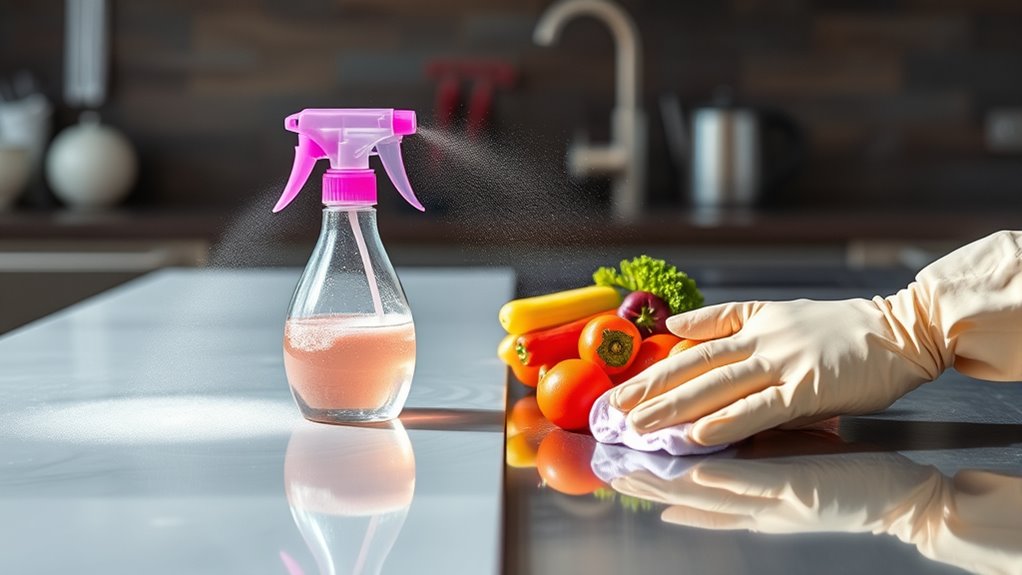
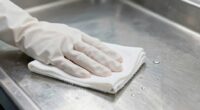
While cleaning and disinfecting are often used interchangeably, they serve distinct purposes. Cleaning removes dirt, dust, and some germs, reducing the overall microbial load and supporting germ prevention. It involves using soap or detergent and water to physically eliminate debris from surfaces. Disinfecting, on the other hand, targets germs that remain after cleaning by killing bacteria, viruses,, and fungi with chemical agents. This step is vital for hygiene education, emphasizing the importance of reducing infection risks. Proper cleaning prepares surfaces for disinfecting, ensuring the disinfectant can work effectively. Proper cleaning techniques are essential to maximize the effectiveness of disinfectants and maintain a healthier environment. Additionally, understanding germ transmission pathways can help you implement more effective cleaning and disinfecting practices. Recognizing the difference between cleaning and disinfecting helps you focus on the right steps for specific situations. Understanding this core difference helps you maintain a healthier environment. By combining both practices, you considerably lower the chance of germs spreading and protect yourself and others from illness.

Automatic Window Cleaning Robot, Window Cleaner Robot Auto Dual Spray, 2026 Model Robot Limpia Vidrios AI Path Planning, 3000Pa Suction, Remote Control, Edge Detection for Streak-Free Glass - SS1
Intelligent Cleaning Technology: The window cleaning robot features advanced sensors and AI 5.0 path planning, enabling it to...
As an affiliate, we earn on qualifying purchases.
The Purpose and Benefits of Proper Cleaning
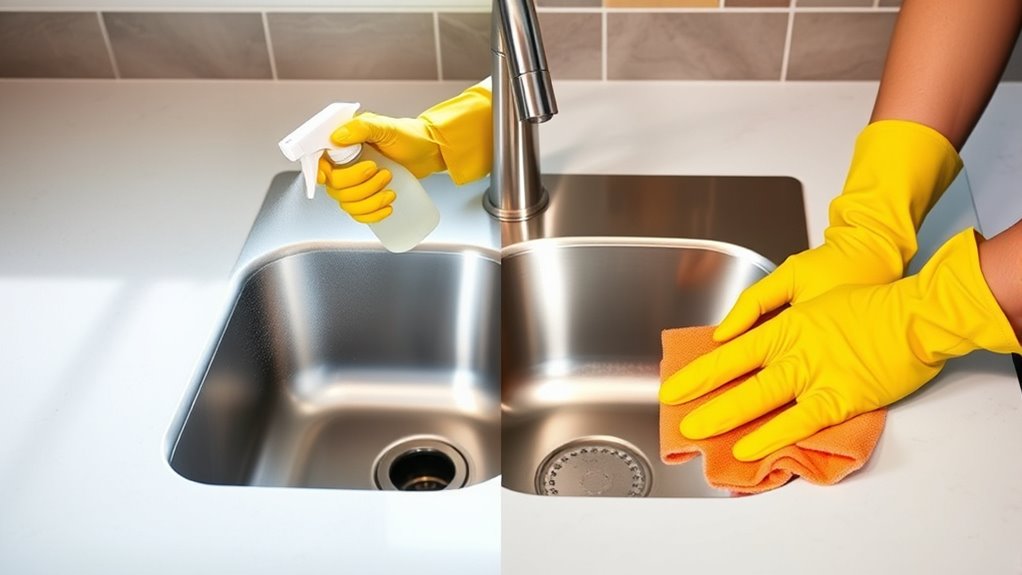
Proper cleaning is essential because it directly removes dirt, dust, and germs from surfaces, creating a healthier environment. When you clean thoroughly, you improve air quality by reducing airborne particles and allergens. This not only makes your home more comfortable but also supports better respiratory health. The key benefits include:
Thorough cleaning improves air quality and promotes healthier, safer living spaces.
- Enhanced air quality by eliminating dust and allergens that can trigger allergies or asthma.
- Effective allergen removal helps reduce irritants, making your living space safer for everyone.
- Maintaining surface integrity prevents buildup that can harbor bacteria and dirt over time.

Tosima W2 Window Cleaner Robot, Automatic Cleaning with Intelligent Path Planning, 3800Pa Suction Power, Edge Detection Technology, Remote Control, White
✨Intelligent Cleaning Technology: Equipped with advanced sensors and AI 3.0 Path Planning, the Tosima effortlessly detects and maps...
As an affiliate, we earn on qualifying purchases.
When Disinfecting Becomes Necessary
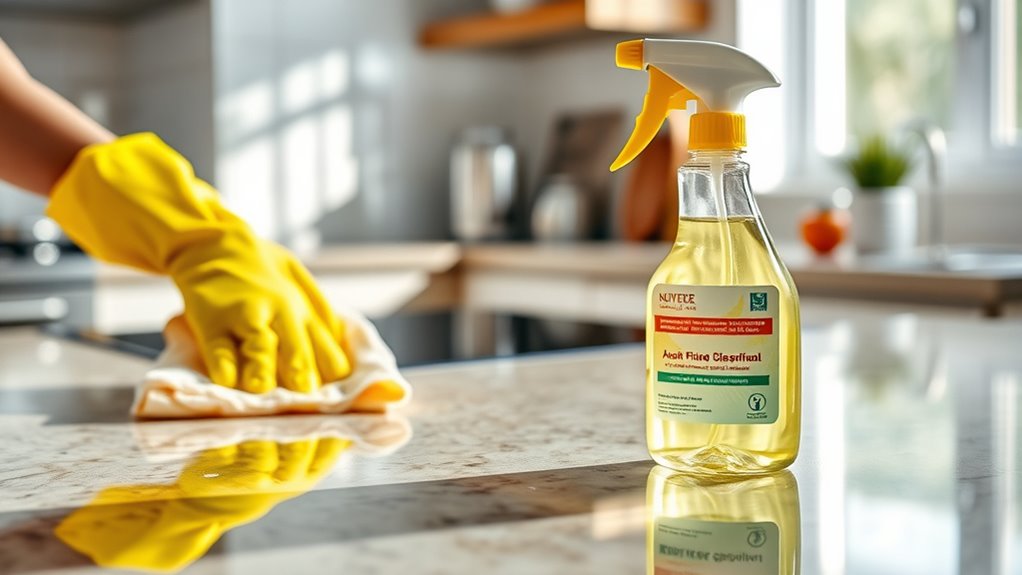
Cleaning removes dirt and allergens, creating a healthier environment, but there are situations where disinfecting is necessary to eliminate harmful pathogens that cleaning alone can’t fully address. When you’re dealing with germ hotspots like bathroom surfaces, kitchen sinks, or doorknobs, disinfecting becomes essential. Using antiseptic sprays on these areas helps kill bacteria and viruses effectively. If someone in your household is sick or has a weakened immune system, disinfecting should be part of your routine to prevent infection. Regular cleaning may reduce visible dirt, but disinfecting adds an extra layer of protection against germs that can cause illness. Understanding the types of air purifiers and their benefits can further enhance your home’s safety by removing airborne pathogens and pollutants. Proper disinfectant application ensures maximum effectiveness in reducing harmful germs. Knowing when to disinfect ensures you’re not just cleaning but actively reducing the risk of spreading harmful pathogens. It’s also important to follow manufacturer instructions carefully to maximize the disinfectant’s efficacy. Incorporating appropriate cleaning techniques can further improve your home’s overall hygiene and reduce the spread of germs. Additionally, understanding the thermal behavior of cleaning agents can optimize their effectiveness in germ elimination.
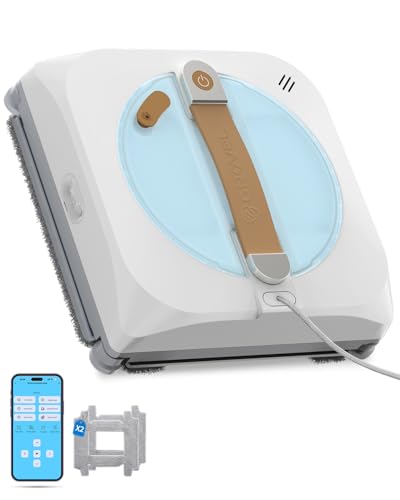
GNOVEL Upgraded Window Cleaning Robot, 10000Pa Strong Suction, 15-Stage Anti-Fall, Smart Path Planning, Edge Detection, App & Remote Control, Automatic Glass Cleaner for High Rise Windows, Glass, Tile
【10000PA STRONG SUCTION & 15-STAGE ANTI-FALL PROTECTION】This window cleaning robot is equipped with 10000Pa powerful suction to maintain...
As an affiliate, we earn on qualifying purchases.
Common Mistakes in Household Hygiene Practices
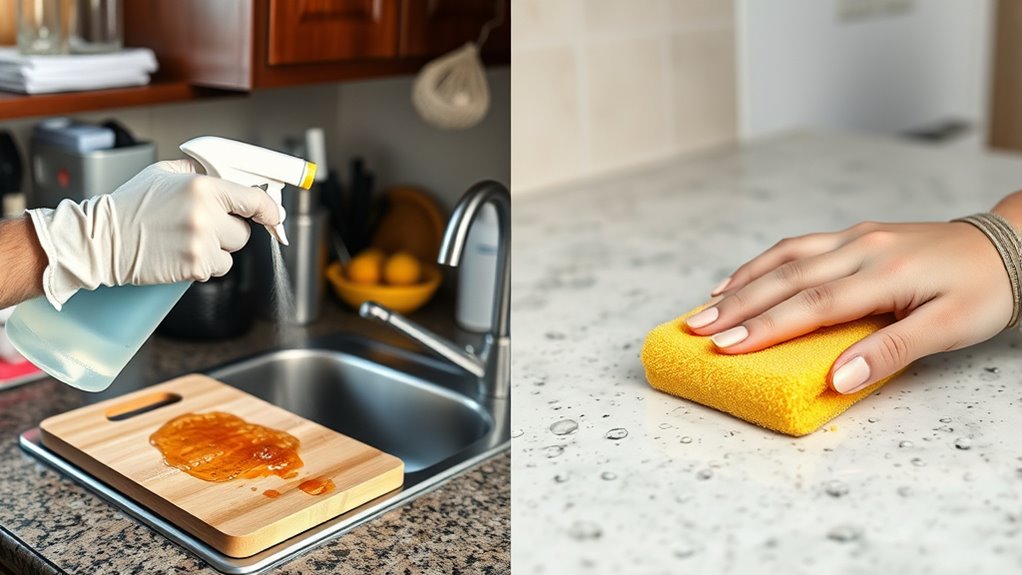
Many people mistake cleaning for disinfecting, which can leave germs behind. You might overlook high-touch surfaces like doorknobs and light switches, increasing the risk of spread. Relying only on household products without proper disinfectants can also undermine your hygiene efforts. Understanding the difference between cleaning and disinfecting is essential for effective household hygiene. Additionally, using proper disinfectants can help reduce phantom contamination that might not be visible but pose health risks. Incorporating hydrotherapy techniques, such as hot tubs or aquatic exercises, can also support overall well-being and reinforce the importance of water-related health practices. Being aware of hygiene practices can further improve your home’s cleanliness and health safety. Regularly educating yourself about health and safety guidelines can help ensure your household remains germ-free and healthy.
Confusing Cleaning With Disinfecting
It’s common to think that wiping down surfaces with soap and water is enough to eliminate germs, but this is a mistake many households make. Cleaning often focuses on visual vs. tactile cleanliness, assuming that visible dirt means germs are gone. However, germs can hide behind or beneath visible grime, making cleaning alone insufficient. To avoid confusion, remember these key points:
- Cleaning removes visible dirt and some germs but doesn’t kill all bacteria or viruses.
- Disinfecting uses chemicals to kill germs on surfaces after cleaning.
- Combining both steps ensures a more hygienic home, especially in high-touch areas.
- Recognizing passive voice detection can help improve clarity and accuracy in instructions and explanations.
- Proper hygiene practices also involve understanding the difference between cleaning and disinfecting to prevent the spread of germs effectively.
- Being aware of electric dirt bikes and their features can help in understanding how cleaning and maintenance may vary for different equipment types.
Don’t rely solely on sight; always consider the presence of invisible germs that cleaning might miss. Proper hygiene requires both cleaning and disinfecting, not just one or the other.
Overlooking High-Touch Surfaces
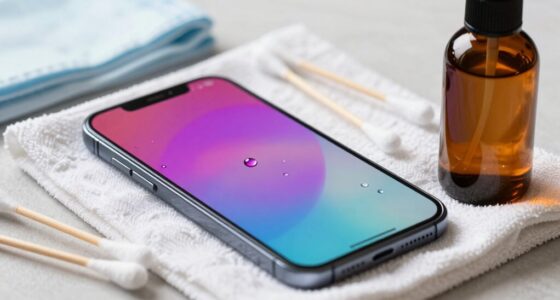
High-touch surfaces like doorknobs, light switches, and smartphone screens are often overlooked during household cleaning routines, yet they are among the most common channels for germs to spread. These high touch areas can harbor bacteria and viruses, making them critical to disinfect regularly. Many people focus on cleaning floors, counters, and less frequently touched surfaces, neglecting overlooked surfaces that see constant contact. Skipping these areas allows germs to persist and spread easily. To prevent this, incorporate daily wiping of high touch areas with disinfectant, especially in busy households. Remember, consistent attention to overlooked surfaces substantially reduces the risk of germ transmission and keeps your home safer. Don’t forget that thorough cleaning includes paying close attention to these high touch areas.
Relying Solely on Household Products
Relying solely on household cleaning products can give a false sense of security, but these items often fall short of fully disinfecting surfaces. Many people assume that regular cleaning removes germs, yet it mainly reduces dirt and bacteria without killing all pathogens. To improve hygiene, consider these strategies:
- Use DIY hacks like vinegar or hydrogen peroxide for natural remedies that can disinfect effectively.
- Incorporate alcohol-based solutions for thorough germ elimination.
- Combine cleaning with proper disinfection practices, such as letting disinfectants sit for the recommended time.
- Recognize the importance of proper disinfection techniques to ensure germs are truly eliminated and surfaces are safe.
Avoid the mistake of solely relying on common household products. Instead, supplement your routine with natural remedies and proper disinfecting techniques to keep your home truly germ-free.
Effective Techniques for Disinfecting Your Home
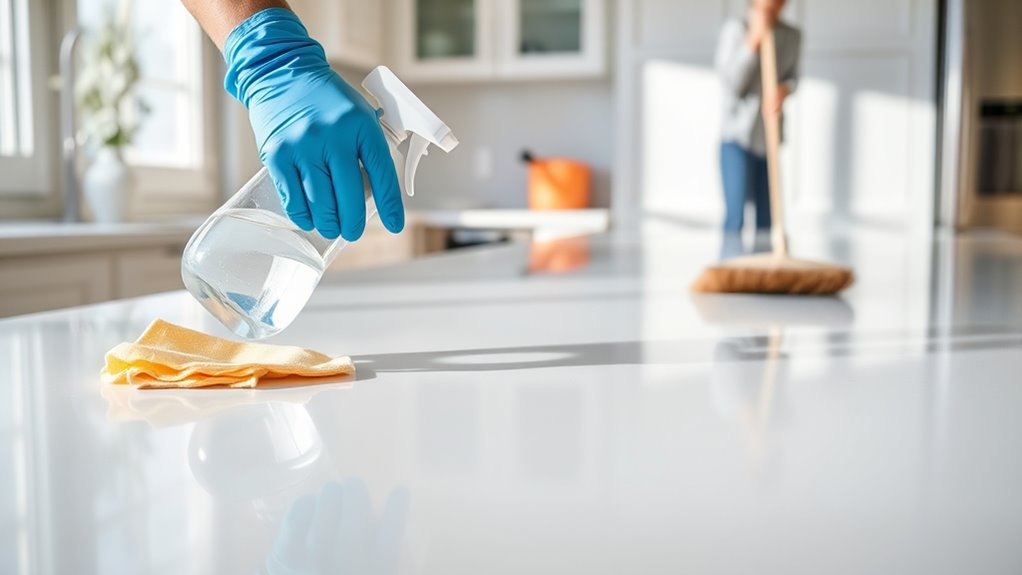
To effectively disinfect your home, start by thoroughly cleaning surfaces to remove dirt and debris, as dirt can shield germs from disinfectants. After cleaning, apply antiseptic sprays to high-touch areas like doorknobs, light switches, and countertops. Let the disinfectant sit for the recommended contact time to ensure germs are killed. This process creates microbial barriers, preventing the spread of bacteria and viruses. Be sure to follow the instructions on the disinfectant label for proper use. Keep surfaces moist during the contact time, but don’t rinse them unless instructed. Regularly disinfect key areas, especially during flu season or if someone is sick. Proper technique guarantees germs are effectively eliminated, reducing your home’s overall contamination risk. Additionally, understanding the evolving language of the internet and how it influences consumer behavior can help you make smarter choices when selecting disinfectants and cleaning products. Utilizing performance standards like CDC guidelines can further enhance your cleaning effectiveness.
Products and Tools for Cleaning and Disinfecting
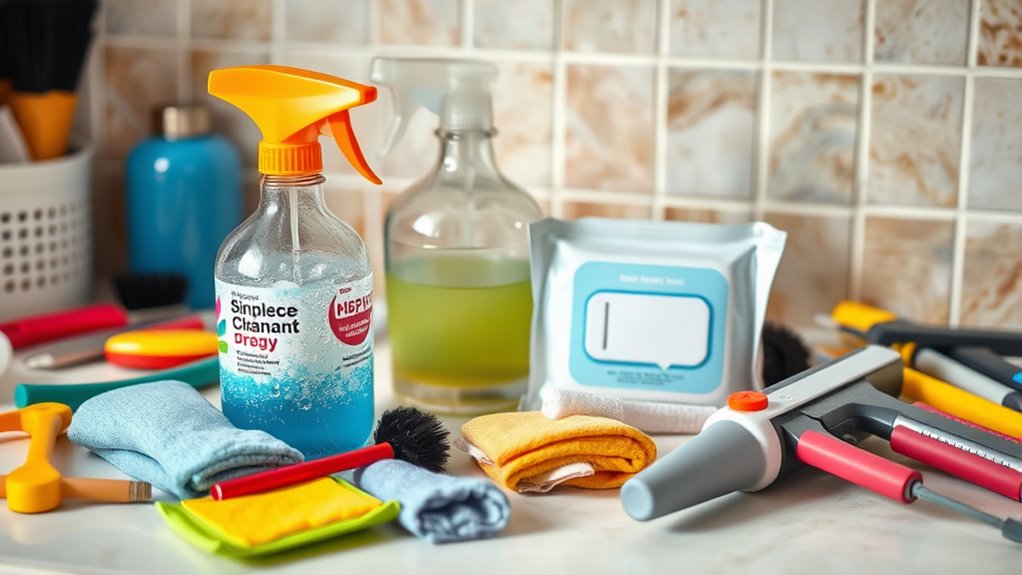
Choosing the right cleaning supplies and disinfectants is essential for effective results. You need to understand the different products available and how to select the best ones for each task. Let’s explore some key tips for picking the right tools and disinfectants to keep your home safe and spotless. Utilizing smart‑home integrations can also help monitor and automate cleaning routines for better hygiene. For example, high-quality disinfecting products are crucial in eliminating germs effectively, especially in high-touch areas. Understanding the types of disinfectants and their appropriate uses can make a significant difference in achieving a truly clean home. Incorporating natural pool maintenance techniques can reduce chemical usage and promote a healthier environment in your backyard pools.
Cleaning Supplies Overview
A variety of cleaning supplies are essential for effective disinfecting and maintaining a hygienic environment. Your choice impacts safety and efficiency. Consider these options:
- All-purpose cleaners: Use eco-friendly alternatives that are chemical free options, which are safe for your family and the planet.
- Scrubbing tools: Sponges, brushes, and microfiber cloths help remove dirt and grime effectively.
- Disinfectant sprays: While not always necessary for routine cleaning, select those that are eco-conscious or chemical free options for sensitive surfaces.
Disinfectant Selection Tips
Selecting the right disinfectant products and tools is essential for effective cleaning and ensuring a safe environment. Start by choosing disinfectant wipes for quick, on-the-go sanitation of surfaces like doorknobs and countertops. They’re convenient and ensure you cover high-touch areas regularly. Antiseptic sprays are great for disinfecting larger surfaces or items that need a more thorough treatment, like bathroom fixtures or kitchen counters. Always check labels to confirm the product kills germs and viruses relevant to your needs. Opt for EPA-registered disinfectants when possible, and follow the manufacturer’s instructions for proper use and contact time. Using the right combination of disinfectant wipes and antiseptic sprays ensures you effectively reduce germs without unnecessary chemicals, creating a healthier home environment.
Creating a Hygiene Routine That Works
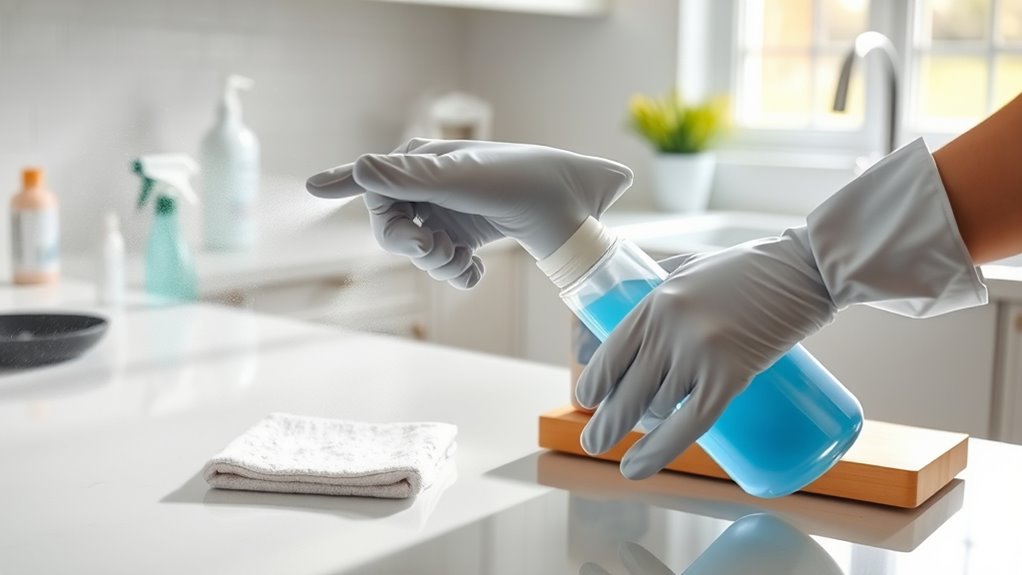
Creating an effective hygiene routine starts with understanding the difference between cleaning and disinfecting, so you can prioritize the right actions in your daily habits. Focus on routines that target high-touch areas and maintain overall cleanliness. To do this:
- Practice consistent hand hygiene, washing hands thoroughly with soap and water regularly.
- Incorporate laundry sanitation by washing clothes and linens at appropriate temperatures to eliminate germs.
- Keep surfaces clean by regularly wiping them down with appropriate disinfectants, especially in kitchens and bathrooms.
Frequently Asked Questions
How Long Should Disinfectants Remain on Surfaces to Be Effective?
You should leave disinfectants on surfaces for their recommended contact time, usually between 30 seconds to 10 minutes, to guarantee effectiveness. Check the label for specific instructions, considering surface compatibility. During this time, avoid touching or contaminating the surface, so the disinfectant can kill germs properly. Proper contact time ensures germs are eliminated, making your cleaning more effective and your home safer.
Can Cleaning Alone Eliminate All Germs and Bacteria?
Cleaning alone won’t wipe out all germs and bacteria; it’s like trying to stop a flood with a broom. While cleaning removes dirt and some microbes, it doesn’t kill viruses or bacteria that linger on surfaces, which can contribute to viral transmission. Surface longevity varies, so to truly protect yourself, you need to disinfect after cleaning, ensuring that harmful microbes are eliminated and reducing the risk of illness.
Are Natural or Homemade Disinfectants as Effective as Commercial Products?
Natural alternatives and homemade solutions can be effective disinfectants if used properly, but they may not always match the potency of commercial products. You should verify your homemade solutions contain ingredients like vinegar, hydrogen peroxide, or alcohol, which have proven disinfectant properties. However, for high-touch areas or during illness, it’s best to rely on proven commercial disinfectants to guarantee germs and bacteria are thoroughly eliminated.
How Often Should High-Touch Surfaces Be Disinfected in a Typical Home?
You should disinfect high-touch surfaces daily, especially in busy areas like kitchens and bathrooms. Follow the frequency guidelines for different surface types—use stronger disinfectants on frequently touched areas like doorknobs, light switches, and cell phones. For less frequently touched surfaces, clean and disinfect weekly. Regular disinfection reduces germs and keeps your home safer, so stay consistent and adapt the schedule based on household activity and health concerns.
What Are the Health Risks of Improper Disinfecting Practices?
Ever wonder what happens if you don’t disinfect properly? Improper practices can lead to health risks like antimicrobial resistance and chemical exposure. When you don’t follow guidelines, germs may survive, making infections harder to treat. Plus, overusing harsh chemicals can cause skin and respiratory issues. So, it’s essential to disinfect correctly, using the right products and methods, to protect yourself and your family from these hidden dangers.
Conclusion
By understanding the subtle dance between cleaning and disinfecting, you can keep your home a cozy haven without overdoing it. Think of cleaning as giving your space a gentle hug, while disinfecting is like adding a protective shield. When you master this balance, you create an environment that’s both inviting and thoughtfully safeguarded. With a little effort, you’ll turn routine chores into a caring act, ensuring your home stays a warm, welcoming retreat.